Your Platter of Chinese Cuisine
Difference between B, P and D, T Sound: Chinese Pinyin Pronunciation Practice
How to Pronounce B, P and D, T Sound Correctly in Chinese Pinyin and the difference between them when it…
5 Exceptional Reasons to Learn Mandarin & Chinese Language
Here are 5 points which make the Mandarin Chinese language seemingly easier, opposing the English rules instead of lamenting the…
How to Express Sentences with Colors in Mandarin?
Chinese colors are often used in Mandarin than English or perhaps, more than any other languages. The Chinese language not…
Introduce Yourself in Chinese with Self-Introduction Speech Examples
It is easy to introduce yourself in Chinese as they are fixed answers which you memorise about yourself. However, it…
Pay Attention to Chinese Tones and Accent if You are Serious to Learn Mandarin
Chinese Tones are the Most Difficult when Learning to Speak Mandarin Chinese Pronunciation If you are serious to learn the…
Chinese Personal Pronouns: Subject vs Object Pronouns (I vs Me)
Chinese Personal Pronouns are words that comprise of “I, you, he, she, it, we, they" VS "me, you, him, her,…
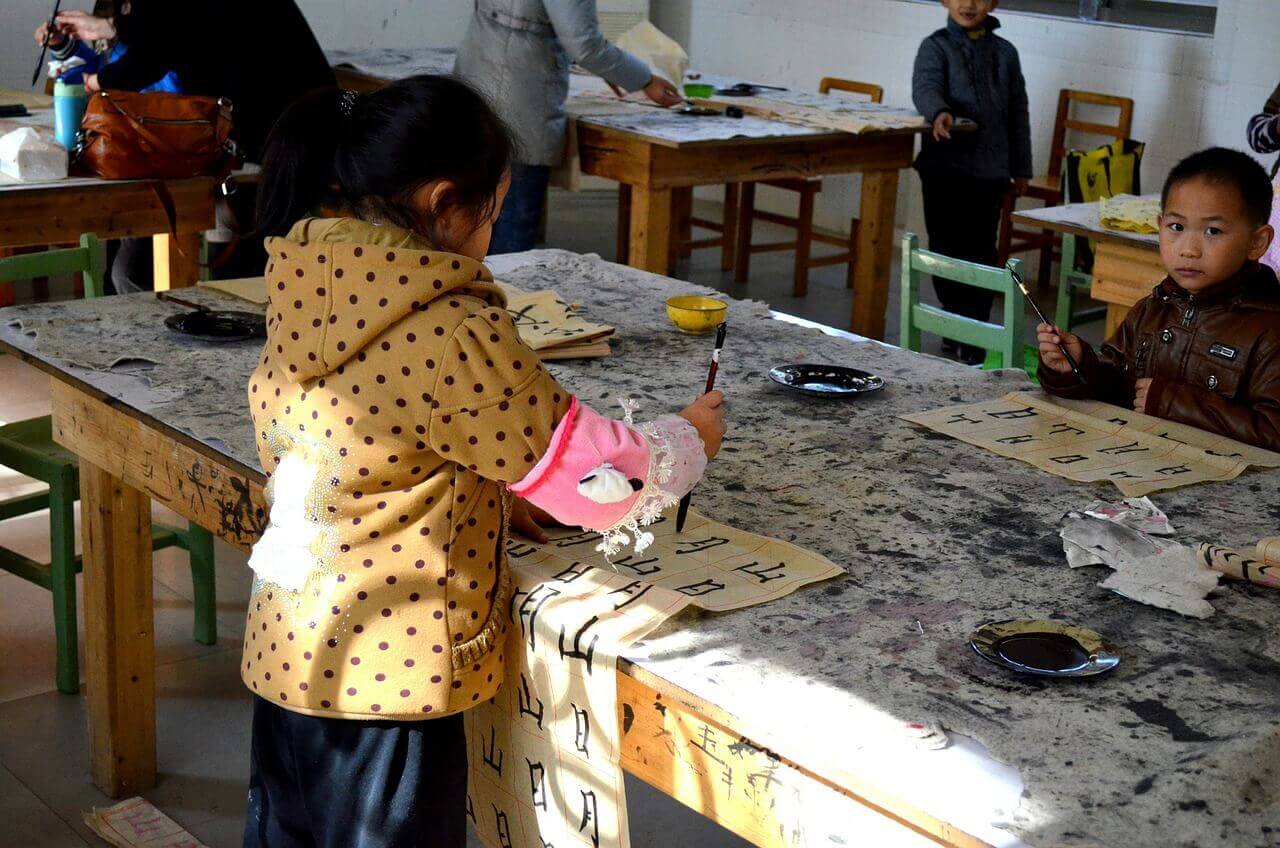
How to Say “Write” in Chinese? 写 Xie in Mandarin
You can add character before or after 写 Xiě to form another meaning related to writing - 写下, 填写... How…
How to Say “Personally” in Chinese? 亲自 Qinzi, 亲手 Qinshou & 亲身 Qinshen
What is the difference between 亲自 Qīnzì, 亲手 Qīnshǒu and 亲身 Qīnshēn? They all mean ‘personally’ but there are still…
How to Say “Chinese Math – Add, Plus, Minus, Subtract, Multiply, Divide” in Chinese?
Chinese Arithmetic - Add, Subtract, Multiply and Divide, is a more advanced level of using the digits. You will learn…
How to Say “Add” in Chinese? 加 Jia and 补充 Buchong in Mandarin
"Add" in Chinese is 加 Jiā in Mandarin. 补充 Bǔchōng is another "add" word, to mean "supplement". What is "Add Oil"…